The Remarkable Memory of Crows and Ravens
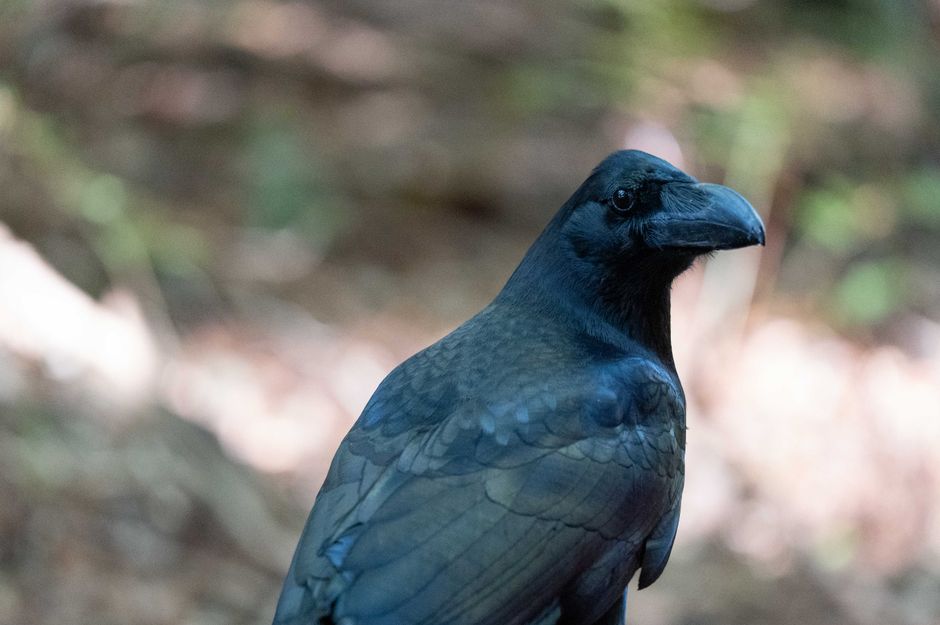
Crows and ravens belong to the corvid family, a group of birds renowned for their cognitive abilities. Among their many talents, the capacity to remember human faces and hold grudges for years stands out as particularly striking. This article explores the scientific research behind these memories, the social contexts in which they operate, and the evolutionary advantages they provide. By examining the mechanisms and implications of corvid memory, we gain insight into the complex inner lives of these birds.
For decades, researchers have documented instances of crows scolding or mobbing specific individuals who had previously trapped or disturbed them. Such observations suggested a level of individual recognition that seemed improbable for birds. However, controlled experiments have since confirmed that crows can indeed remember and differentiate between human faces, and this memory can persist for several years. This ability is not just a laboratory curiosity; it plays a crucial role in the survival and social dynamics of corvids in the wild.
Facial Recognition in Corvids
One of the most famous studies on corvid facial recognition was conducted by Professor John Marzluff at the University of Washington. In this study, researchers wearing masks captured and banded crows on campus. Later, the same masks were worn by different researchers, while a control group wore neutral masks. The crows scolded the capture masks significantly more often, even when worn by different people and even months after the initial trapping. This demonstrated that the crows associated the face with the threat, not the person.
Further studies extended these findings to wild populations and different corvid species, including ravens and jackdaws. The ability to recognize individual humans is not limited to those who pose a threat; crows also respond to feeding and caretaking humans based on past positive interactions. This indicates a sophisticated level of facial processing that rivals that of some mammals.
The neural basis for this ability is still under investigation, but corvids possess a high density of neurons in the forebrain, particularly in areas associated with learning and memory. They also exhibit some degree of social intelligence, which likely co-evolved with this facial recognition capacity. Understanding the neural underpinnings helps researchers appreciate the complexity of avian cognition.
Social Contexts and Memory
Corvids live in complex social groups, where remembering individuals is essential for cooperation, competition, and risk assessment. In many species, pairs form long-term bonds, and individuals engage in cooperative behaviors such as mobbing predators or sharing food. The ability to remember who has helped or harmed them in the past can influence future interactions and alliances.
Memory also plays a role in territorial defense and resource allocation. Crows and ravens have been observed remembering specific locations of food caches, but social memory extends to remembering which individuals have stolen from their caches in the past. This allows them to adjust their caching behavior or chase off known thieves.
In urban environments, where crows and humans frequently interact, memory may also help birds navigate human-dominated landscapes. By identifying friendly or dangerous individuals, they can exploit resources while avoiding threats, thus increasing their chances of survival.
Neurobiology and Cognition
Research into the avian brain has revealed that corvids possess a high degree of encephalization, or brain-to-body ratio, comparable to that of great apes. Their forebrains contain a large number of neurons, particularly in the pallium, which is responsible for higher cognitive functions. The organization of these neural circuits supports advanced memory and problem-solving abilities.
Studies have shown that corvids exhibit episodic-like memory, meaning they can recall specific past events, including what, where, and when. This type of memory is not just a simple association but involves an autobiographical element. For instance, they can remember not only that a certain human was dangerous but also the context in which they encountered them.
Neurologically, the nidopallium caudolaterale (NCL) is implicated in working memory and decision-making. Lesions to this area impair their ability to remember past events. The study of corvid neurobiology not only sheds light on avian intelligence but also on the evolution of cognition in general.
Evolutionary Advantages
The capacity for long-term memory likely provides several evolutionary advantages. In environments where threats are unpredictable, remembering dangerous individuals can help corvids avoid predation or harm. This is particularly important in urban settings, where humans pose both risks and opportunities.
Memory also facilitates social learning. Young crows learn from older, experienced birds which humans to avoid or approach. This cultural transmission of knowledge can occur across generations, leading to local traditions within crow populations. For example, in some cities, crows have learned which streets have high traffic and avoid them, while in others they have learned to wait for red lights to cross.
Additionally, memory aids in reproductive success. By remembering mates, offspring, and rivals, corvids can manage their social relationships more effectively. This can influence pair bonding, territory defense, and chick rearing.
Implications for Human-Wildlife Interactions
Understanding corvid memory has practical implications for managing human-wildlife conflicts. In areas where crows are considered pests, such as agricultural regions or urban centers, traditional methods like trapping or shooting may be ineffective because individual crows, and their kin, can learn to avoid specific traps or humans. Moreover, negative interactions can lead to long-term grudges, potentially increasing aggressiveness towards certain individuals.
Conversely, positive interactions can foster a level of coexistence. By recognizing that crows remember past encounters, people can adopt strategies that minimize fear and aggression. For instance, using masks during capture or research can reduce the chance of individual crows associating a human face with a threat.
Research on corvid memory also informs conservation efforts. By understanding the social dynamics and cognitive needs of these birds, conservationists can design better rehabilitation programs or habitat enrichments that support their well-being.
The memory of crows and ravens is a testament to the intricate capabilities of avian cognition. As we learn more about how these birds perceive and remember their world, we not only appreciate their intelligence but also reconsider our assumptions about animal minds.
Conclusion
The remarkable memory of crows and ravens is a testament to the intricate capabilities of avian cognition. Through a combination of field observations, controlled experiments, and neurobiological studies, we have begun to uncover the mechanisms that allow these birds to remember and act on past experiences. Their ability to recognize human faces and hold grudges for years highlights the importance of social intelligence in their survival.
This knowledge not only deepens our appreciation for these birds but also offers insights into the evolution of memory and cognition across species. As we continue to study corvids, we must consider the ethical implications of our interactions with them, recognizing that they are sentient beings with sophisticated mental lives.